Independent structural engineering for property damage, construction defects and insurance claims in Virginia and North Carolina. We determine what happened, what is damaged, and what it takes to make the structure sound, in a report signed and sealed by a Professional Engineer.
Who We Work For
Homeowners and property managers after sudden damage. A fire, a fallen tree, a storm or a vehicle strike. We document the structural damage and tell you what can stay and what must be replaced. Our letters are written to be given to your insurer, your contractor and the building official.
Restoration and repair contractors. You need to know what framing can be salvaged before you price the job. After one recent house fire, our evaluation found the roof trusses were lost but most of the wall and floor framing could be kept, so the house did not need to be stripped to the foundation.
Owners of newer homes with a builder or warranty dispute. Virginia law gives the buyer of a new home a one-year warranty against structural defects, and five years on the foundation. Many builders add a ten-year structural warranty through a warranty company. If something structural is moving in a home that age, we document it for your builder or warranty administrator: what we measured, the likely cause, and whether an earlier repair addressed it. We give engineering opinions, not legal advice.
Insurance carriers, adjusters and attorneys. Cause-and-origin investigations, damage assessments and peer reviews, prepared for claims decisions, subrogation and arbitration.
What We Investigate
Cause and origin: the root cause of a structural failure, from soil movement and water pressure to long-term moisture damage.
Storm and tree damage: wind uplift, impact damage to roof and wall framing, and the secondary cracking that follows.
Fire damage: which members have lost capacity and which can be cleaned, treated and kept.
Vehicle and equipment impact: stability of what remains, and what needs shoring now.
Construction defects: whether the work matches the approved plans and the building code, and whether a repair was adequate.
Our Forensic Workflow
Step 1: Site Visit
We schedule quickly so conditions are documented before cleanup or weather changes them. For an unsafe-structure notice or an active claim, tell us the deadline when you book or write to us.
Step 2: Investigation
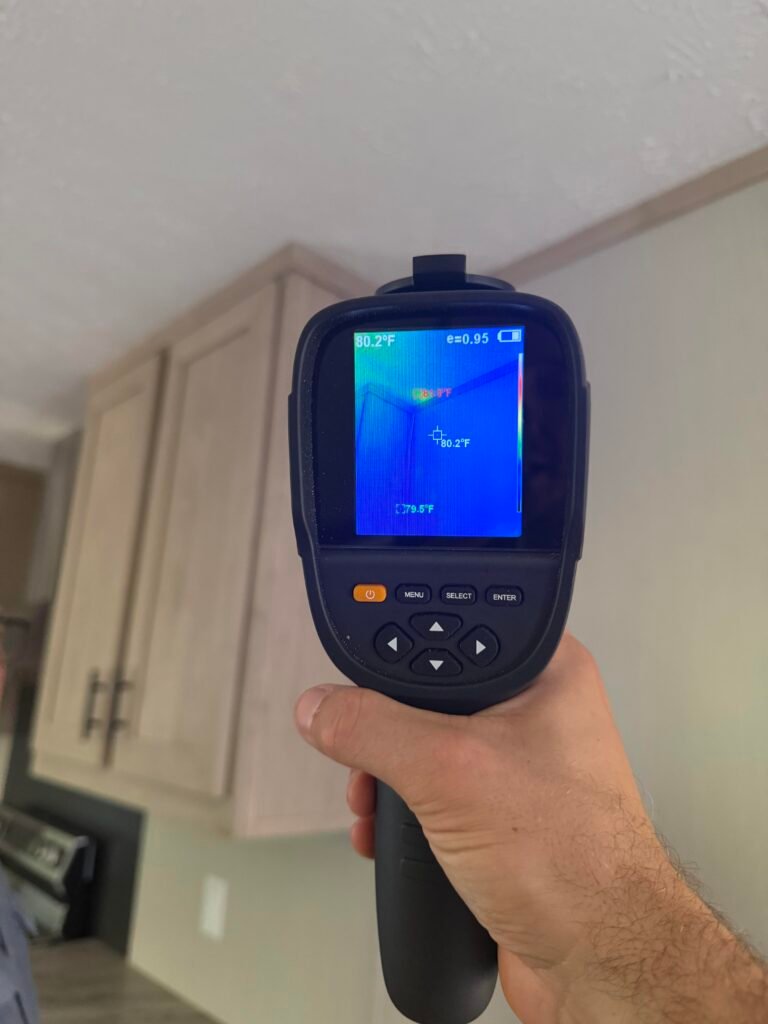
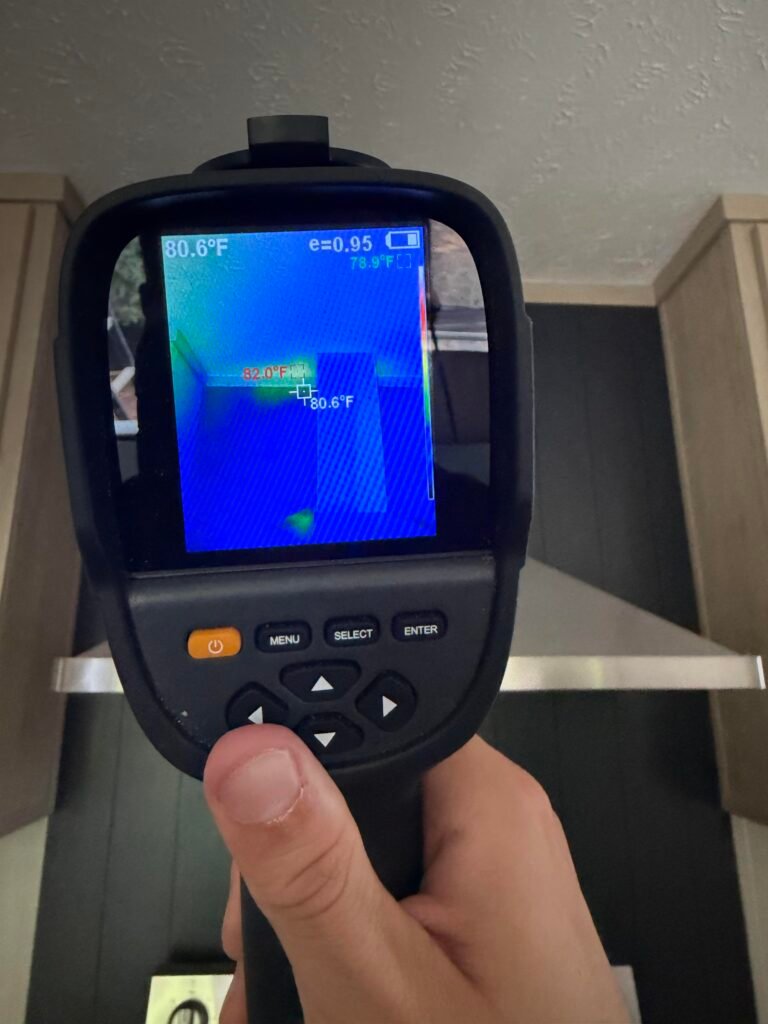
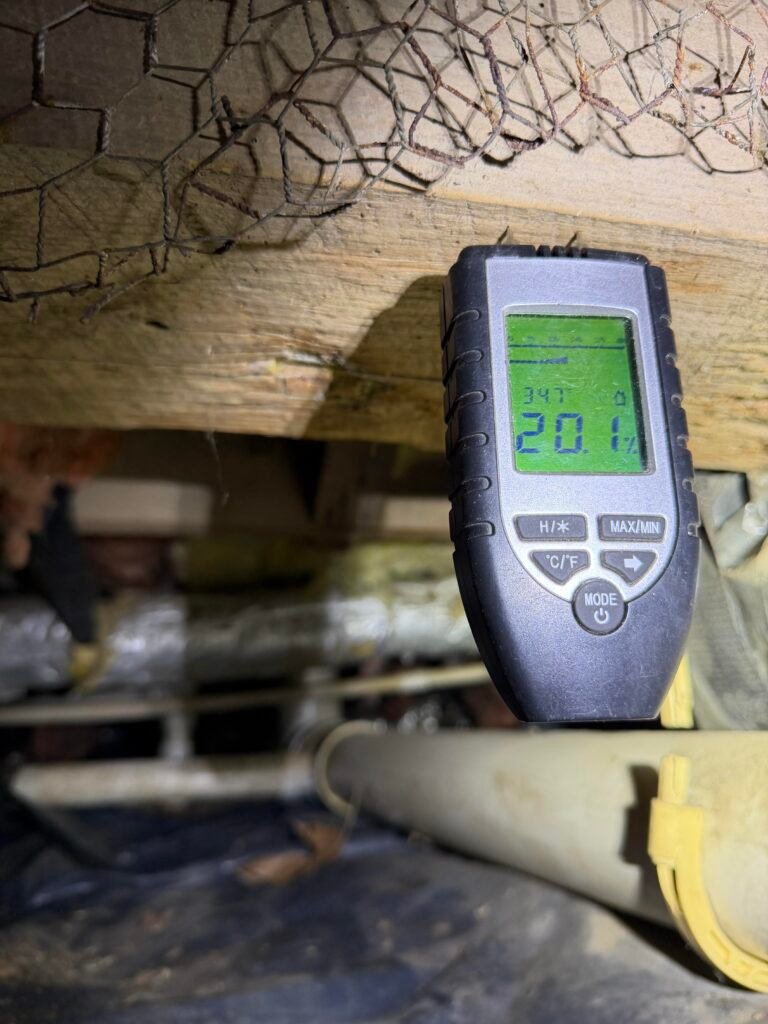
Measurements, photographs, moisture readings, thermal imaging and laser or LiDAR surveys, without opening walls or floors unless the scope calls for it.
Step 3: Sealed Report
Findings, opinions and recommended next steps, signed and sealed by a Professional Engineer and delivered within 72 hours of the visit. Larger investigations follow the schedule in the proposal.
What Our Reports Contain
Written so an adjuster can act on them, and so they hold up if the file goes further. Our reports follow ASTM E620, the standard practice for reporting the opinions of technical experts.
The assignment and scope, and what was and was not examined.
What we observed, kept separate from what we were told and from what we concluded.
The method and the standards applied, including the building code edition and any calculations.
Each opinion with its basis, stated to a reasonable degree of engineering certainty.
Dated photographs, measurements and instrument readings.
Limitations, stated plainly.
The engineer’s qualifications, with a CV available on request.
How Pricing Works
Forensic and insurance investigations are priced per project under a written proposal, in Virginia and North Carolina. Time beyond the agreed scope is billed hourly at the rates in your proposal, and only after you approve it.
Timing: forensic letters and reports are delivered within 72 hours of the visit. Larger investigations follow the schedule in the proposal.
Why Brentwood Solutions Group
Independent, accountable and close by.
No stake in the repair. We do not perform repair or restoration work, so our findings are not shaped by what a repair would be worth to us.
One engineer accountable for the report. Every report is reviewed and sealed by Jeremy Schwartz, P.E.: licensed Professional Engineer in Virginia, North Carolina and California, and licensed Structural Engineer in Arizona.
Close by. Based in New Kent County, within 120 miles of Richmond, Williamsburg, Norfolk and Elizabeth City.
Field Documentation and Testing
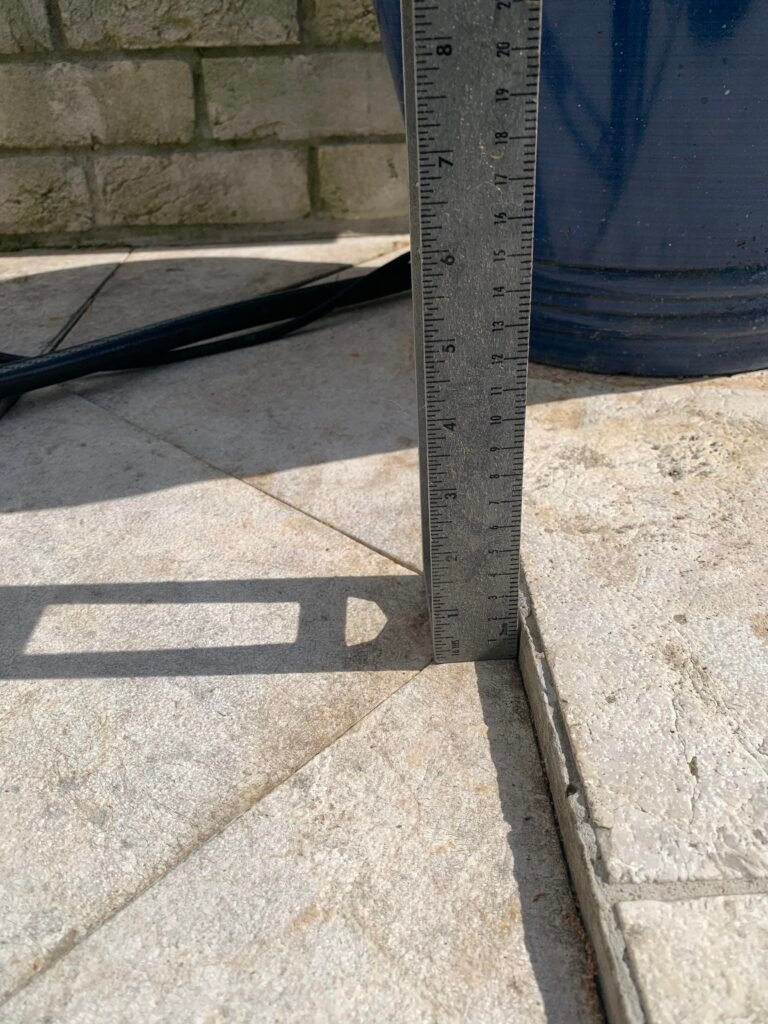
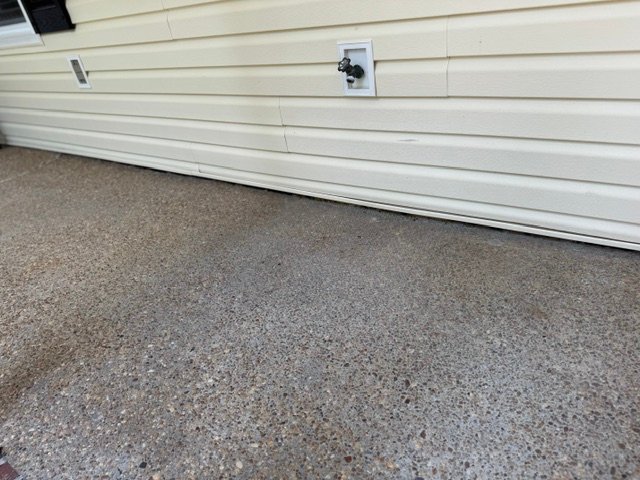
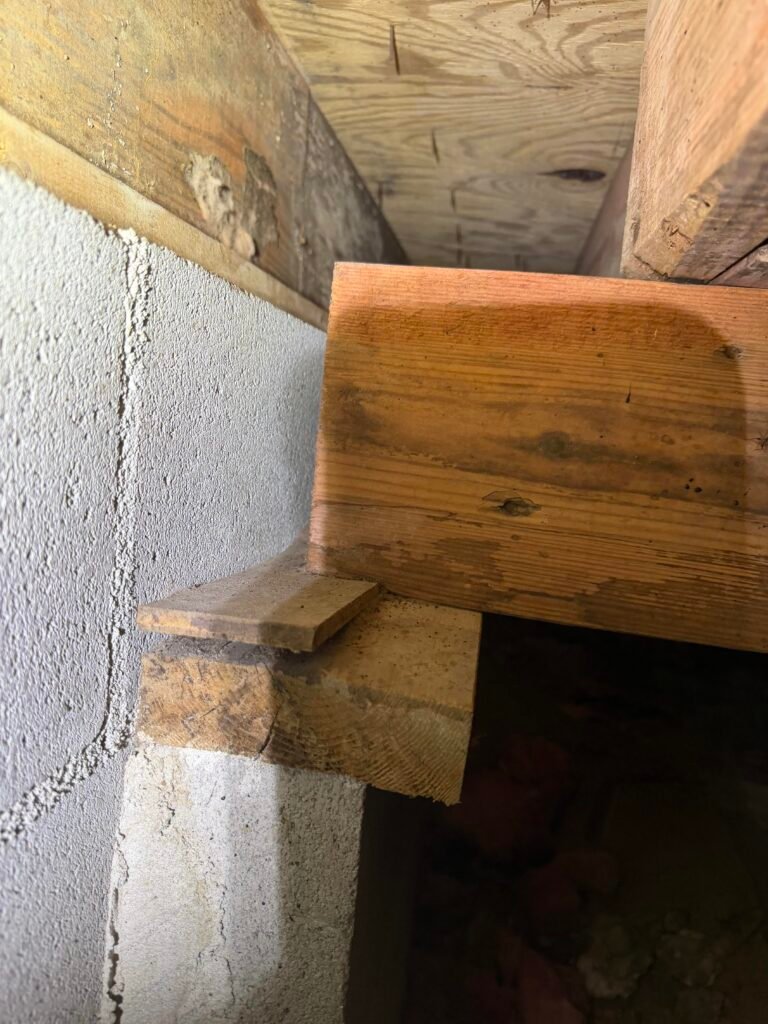
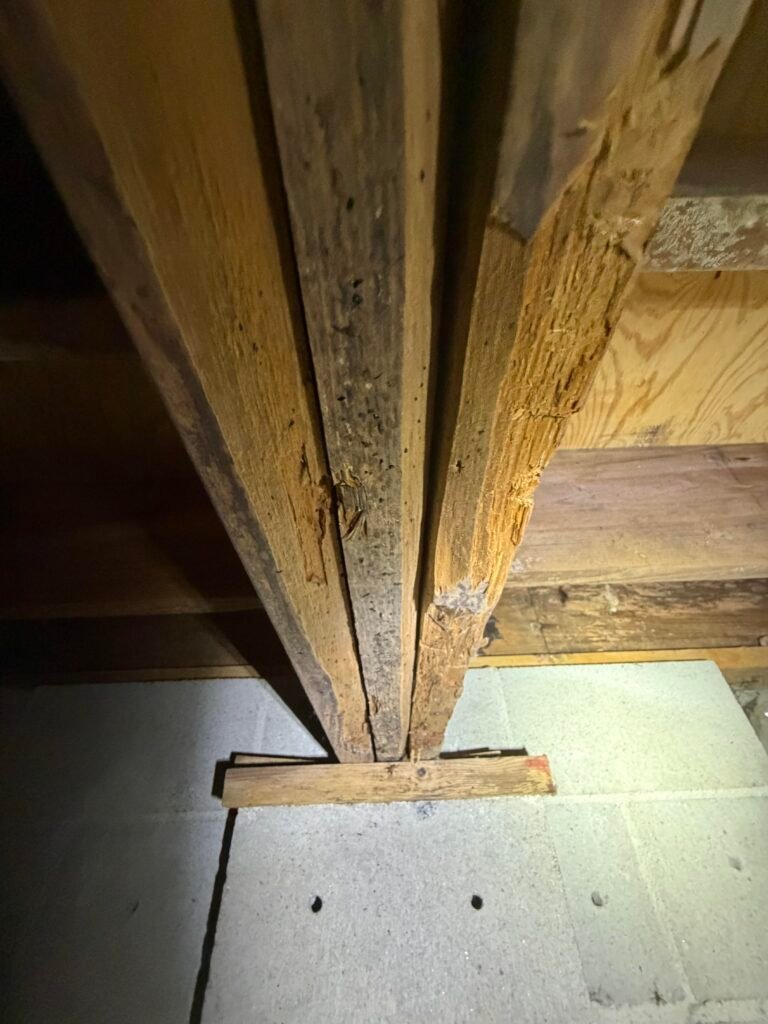
Thermal imaging, laser leveling, and moisture readings let us document conditions without destructive testing. Examples from recent investigations:
Laser level check of paver settlement.Thermal camera check in progress.Efflorescence indicating standing water.Girder not bearing on the pilaster; compressed shim and pilaster cracks on both sides.Girder not fully bearing; WDI damage noted.Elevated joist moisture reading.
Providing forensic engineer investigations across a 120-mile radius from Providence Forge, VA, including Richmond, Williamsburg, Norfolk, and Elizabeth City, NC.